
Perineal Massage - how it can be utilised
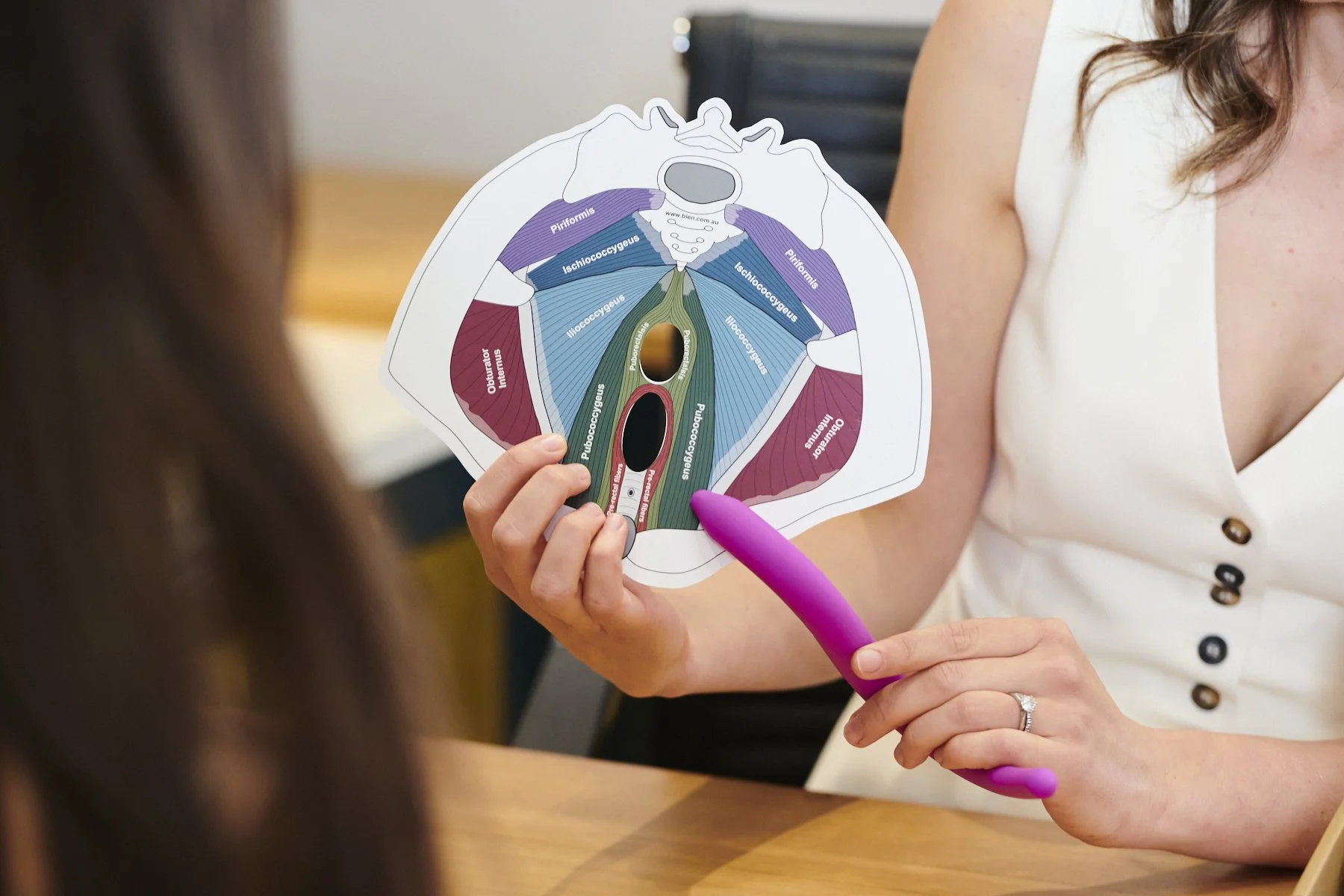
Perineal massage is a well-known technique recommended by pelvic health physiotherapists during pregnancy to help prepare the body for birth. Increasingly, women are asking when they should start perineal massage and how to perform it correctly.
Similar techniques can also be useful outside of pregnancy, including postpartum recovery, scar tissue management, and pelvic floor relaxation training.
In this guide, we explain what the perineum is, how to perform perineal massage, and the benefits for pregnancy and pelvic health.
What Is the Perineum?
The perineum is the area between the vaginal opening and the anus. It includes the skin, connective tissue, and the underlying pelvic floor muscles.
During vaginal birth, this area stretches significantly as the baby is delivered. Because of this, the perineum is vulnerable to:
Perineal tearing
Episiotomy (a surgical incision made during birth)
Postpartum scar tissue from the above tears or incision
Supporting this tissue during pregnancy can help the body prepare for the demands of childbirth.
What Is Perineal Massage?

Perineal massage is a technique used to gently stretch and desensitise the tissues at the vaginal opening and perineum.
It typically involves:
Inserting a clean finger or thumb a few centimetres into the vagina
Applying gentle downward pressure toward the perineum
Performing a slow sweeping stretch to reduce apprehension and improve tolerance to this sensation
This technique helps the tissues become more accustomed to the sensation of stretching, which can occur during birth.
When Should You Start Perineal Massage?
For pregnancy preparation, perineal massage is generally recommended from 34 weeks of pregnancy.
Pelvic health physiotherapists usually recommend performing it:
3–4 times per week
For around 5 minutes total
A common method includes:
2 minutes of sweeping stretches on each side of the perineum
Followed by a 30-second sustained stretch at the point where an episiotomy is commonly performed (around the 5 or 7 o’clock position if you imagine the vagina as a clock face).
A pelvic floor physiotherapist can guide you on the best technique for your body.
Benefits of Perineal Massage
1. Reduces the Risk of Perineal Tearing
Research shows that perineal massage during pregnancy can reduce the risk of tearing during vaginal birth.
Evidence suggests it can reduce:
Third and fourth-degree tears by up to 64%
The incidence of episiotomies and 1st/2nd degree tears
Perineal pain in the postpartum period
For many women, this can lead to a smoother recovery after childbirth.
2. Helps the Pelvic Floor muscles Relax
Perineal massage helps the pelvic floor muscles learn to stay relaxed when pressure or stretch occurs.
When pelvic floor muscles are able to relax properly, this may help reduce symptoms such as:
Pain during sex
Pelvic pain
Perineal discomfort when sitting
Pain around the vaginal opening
It can also help reduce the pushing stage of labour if the muscles are able to stay relaxed whilst the perineum stretches.
3. Supports Scar Tissue Recovery
For women who have experienced a perineal tear or episiotomy, scar tissue can sometimes cause:
Tightness
Sensitivity
Pain with intercourse
Discomfort during daily activities
Scar desensitisation techniques using a finger, vaginal dilator, or pelvic wand can help:
Improve tissue flexibility
Reduce sensitivity
Restore comfort and function
A pelvic health physiotherapist can guide this process safely.
Tips for Performing Perineal Massage
Create a Relaxing Environment
Relaxation is essential when working with the pelvic floor.
Helpful strategies include:
Taking a warm shower or bath beforehand
Using a heat pack on the pelvic area
Playing calming music
Creating a comfortable, private environment
When the body feels safe and relaxed, the pelvic floor muscles relax more easily.
Ask Your Partner for Support
As pregnancy progresses, the perineum can become harder to reach comfortably.
Some women find it easier if their partner assists with perineal massage. This can also help partners feel more involved in the birth preparation process.
See a Pelvic Health Physiotherapist
If you're unsure how to perform perineal massage, a pelvic floor physiotherapist can provide personalised guidance.
During a pelvic health appointment, your physio can:
Demonstrate the correct perineal massage technique
Identify areas that may need extra support
Provide advice on tools such as dilators or pelvic wands
Help prepare your pelvic floor for birth
Perineal Massage Appointments
At Embrace Physio + Pilates, we offer perineal massage appointments to help you feel confident preparing for birth if it becomes too challenging for you to complete yourself. We will teach you how to complete perineal massage at our birth preparation appointments!
An initial pregnancy physiotherapy assessment is required before booking a birth preparation appointment or perineal massage session.
When to See a Pelvic Floor Physio
You may benefit from a pelvic health assessment if you experience:
Pain during intercourse
Perineal pain
Scar discomfort after birth
Pelvic floor tightness or difficulty relaxing
Our physiotherapists can help you reduce pain, improve pelvic floor function, and support recovery after childbirth.
Author: Courtney Essex