
Pelvic health Physiotherapy for Cancer Care
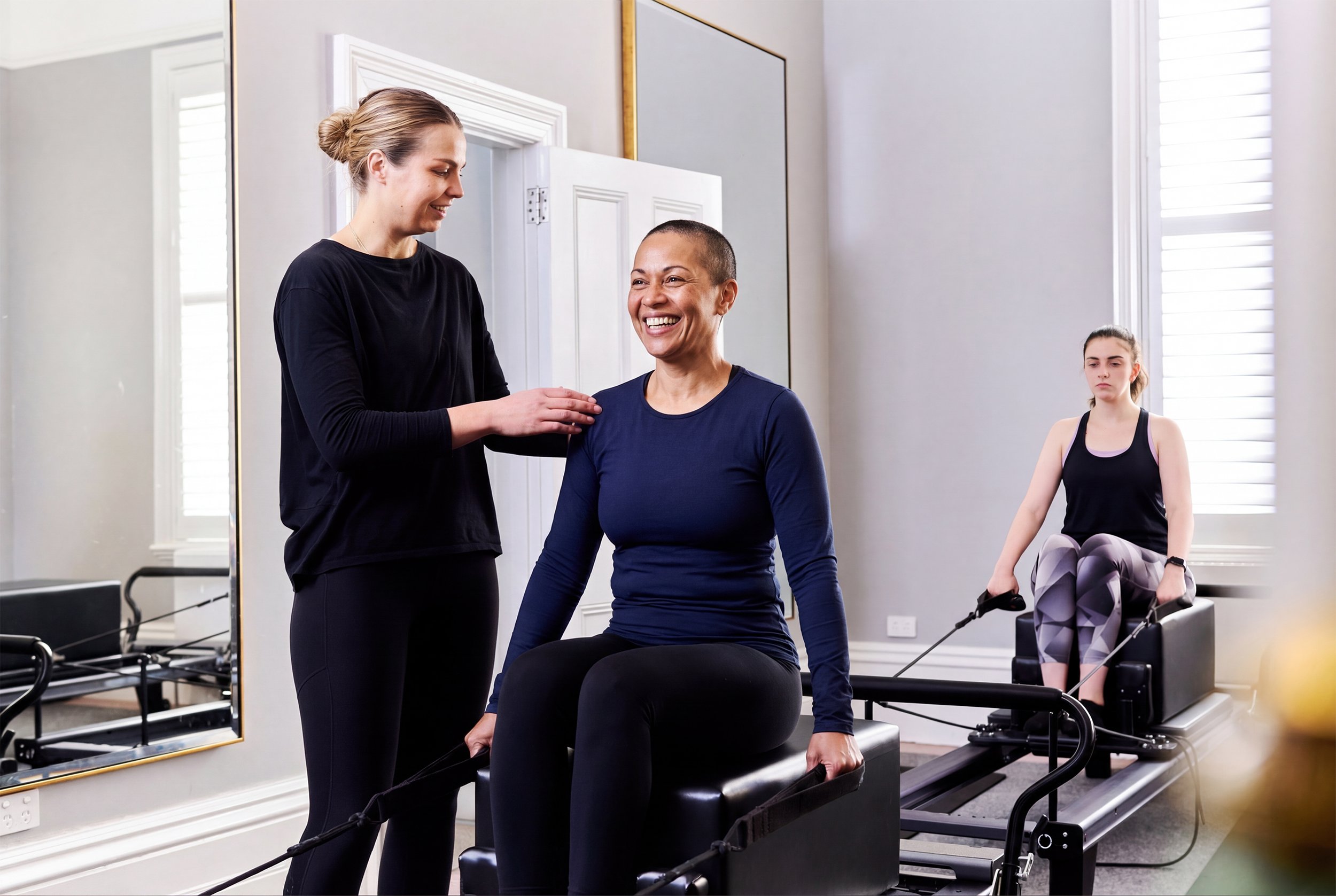
Pelvic Health Physio Support During and After Treatment
Cancer treatment can affect far more than the area being treated. Surgery, radiation therapy, chemotherapy, and hormone therapy can impact bladder and bowel control, sexual function, strength, bone density, and overall energy levels. These are common side effects of cancer treatment, and pelvic health physiotherapy can help manage and improve them.
At Embrace Physio Pilates, we provide evidence-based physiotherapy for cancer care. We support you before, during, and after treatment to help restore strength, improve pelvic floor function, and rebuild confidence.
Pelvic Floor Physiotherapy for Prostate Cancer
For men undergoing prostate cancer treatment, urinary incontinence is a common concern after surgery. Pelvic floor muscle training is proven to improve continence outcomes, especially when started before surgery.
Prehabilitation, or starting pelvic health physiotherapy before surgery, helps strengthen and coordinate the pelvic floor muscles. This supports a smoother recovery. After surgery, structured pelvic floor rehabilitation helps you regain bladder control, improve function, and safely return to exercise.
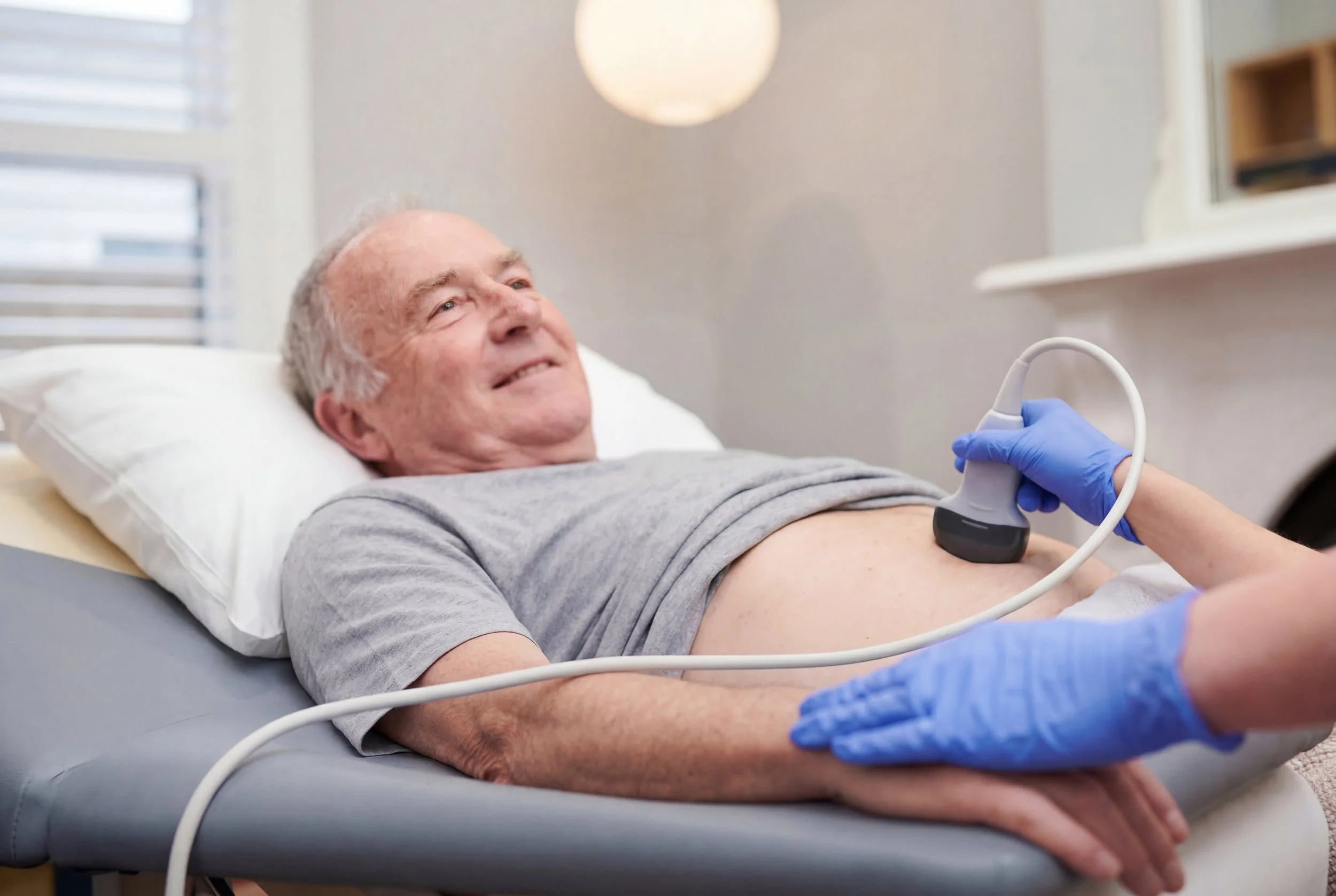
Exercise and Physiotherapy During Hormone Therapy
Androgen deprivation therapy can lead to muscle loss, fatigue, and reduced bone density. Resistance training is strongly recommended to counter these effects.
Oncology-informed physiotherapy programs focus on strength training to maintain muscle mass, improve energy levels, and support bone health during cancer treatment.
Pelvic Health Physiotherapy for Gynaecological and Pelvic Cancers
Following gynaecological or pelvic cancer treatment, many people experience changes in bladder and bowel function. Symptoms may include urgency, leakage, or reduced control.
Pelvic physiotherapy helps retrain pelvic floor coordination, improve muscle strength, and restore confidence in daily life. Treatment is individualised to your needs and stage of recovery.
Support for Sexual Health and Pelvic Pain After Cancer Treatment
Radiation therapy and hormonal changes can contribute to vaginal dryness, narrowing, or pain with intercourse. Pelvic health physiotherapists can guide vaginal dilator therapy, pelvic floor relaxation techniques, and gradual return to intimacy in a safe and supportive way.
Breast Cancer Treatment and Pelvic Floor Function
Breast cancer treatment can also affect pelvic health. Hormone therapy may lead to vaginal discomfort or pelvic floor changes. Surgery and radiation can impact posture, breathing patterns, and core muscle coordination.
The pelvic floor works closely with the diaphragm and deep abdominal muscles, so these changes can influence overall function. Physiotherapy that includes breathwork, mobility, and strength training supports whole-body recovery.
Why Exercise is Important in Cancer Rehabilitation
Exercise is recognised as an essential part of cancer care. Research shows that it can reduce fatigue, maintain physical function, improve bone density, and support mental wellbeing.
Pelvic physiotherapy combines pelvic floor muscle training with full-body strength and conditioning to improve resilience during and after cancer treatment.
Prehabilitation for Cancer Surgery
Prehabilitation involves starting physiotherapy before cancer treatment begins. Improving strength, fitness, and pelvic floor control before surgery can enhance recovery and improve outcomes.
Pelvic health Physiotherapy at Embrace Physio Pilates
We understand that cancer treatment can feel overwhelming and often involves many medical appointments. Our goal is to provide supportive, structured physiotherapy that helps you feel informed, proactive, and in control of your recovery.
At Embrace Physio Pilates, we offer pelvic health physiotherapy, oncology rehabilitation, and tailored exercise programs designed to support you at every stage of cancer care.
If you are preparing for treatment, currently undergoing treatment, or recovering after cancer, pelvic physiotherapy can help you regain strength, improve function, and rebuild confidence. An initial appointment can be booked here.
Author: Daphné Auclair