
exercising with prolapse or leakage - a guide from pelvic health physiotherapists
Being diagnosed with pelvic organ prolapse or urinary incontinence can feel overwhelming. Many women stop exercising because they are worried about making symptoms worse.
The good news is that exercise is safe for most women with prolapse and incontinence. In many cases, it is a key part of treatment.
With the right pelvic health physiotherapy support, exercise can improve pelvic floor strength, reduce symptoms, and help you return to the activities you enjoy.

Understanding the Pelvic Floor During Exercise
Your pelvic floor muscles respond to pressure and movement every day.
Activities such as walking, lifting, running, coughing, and jumping all place load on the pelvic floor. Like any muscle group, the pelvic floor can become stronger and more coordinated with the right training.
Pelvic floor physiotherapy focuses on:
Improving muscle coordination
Teaching correct contraction and relaxation
Integrating pelvic floor activation into functional movement
Research shows that pelvic floor muscle training is highly effective for both prolapse and urinary incontinence treatment.
Avoiding exercise does not strengthen the pelvic floor. Structured rehabilitation does.
Can You Exercise with Pelvic Organ Prolapse?
Pelvic organ prolapse is common, especially after pregnancy and during perimenopause and menopause.
It is not a sign that your body has failed. It reflects changes in tissue support and strength.
Pelvic floor physiotherapy can help manage prolapse symptoms and support return to exercise. Evidence shows that pelvic floor muscle training can improves symptoms of prolapse, though the stage of prolapse should be determined by a pelvic health physiotherapist first.
Effective prolapse treatment includes:
Individual assessment by a pelvic health physiotherapist
Load management and exercise modification
Breath and core coordination
Whole body strength training
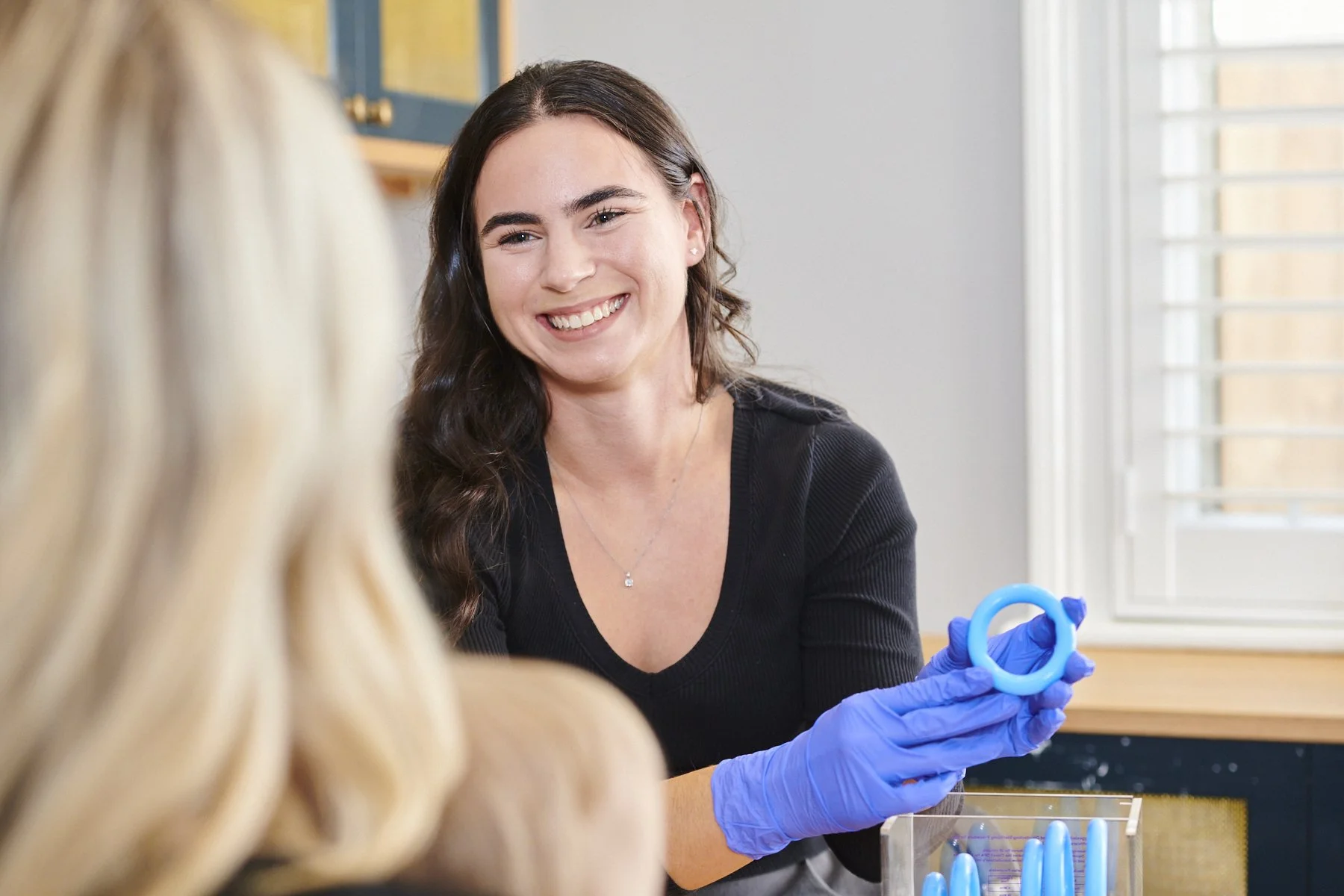
Some women may also benefit from a pessary, which is a silicone support device fitted by a trained clinician to reduce symptoms during daily activity or exercise.
Urinary Incontinence During Exercise
Leaking during exercise is common but it is not normal.
If you experience leaking when running, jumping, or lifting, pelvic floor physiotherapy can help identify the cause and treat it effectively.
Pelvic floor muscle training is considered first line treatment for stress urinary incontinence. Many women experience significant improvement or complete resolution with guided rehabilitation.
Strength training and resistance exercise also improve continence when combined with pelvic floor retraining.
Stopping exercise can negatively affect:
Bone density
Cardiovascular health
Metabolic health
Mental wellbeing
Maintaining activity is important for long term health and pelvic floor function.
Exercise with Prolapse or Incontinence: Load Management
Managing prolapse and incontinence is not about avoiding exercise. It is about choosing the right type and intensity of movement.
Pelvic health physiotherapy focuses on:
Breathing and pelvic floor coordination
Gradual strength progression
Modifying impact and load
Improving tissue tolerance
Building confidence in movement
Treatment may also include:
Real time ultrasound biofeedback
TENS therapy
Bladder and bowel habit education
Lifestyle modifications
Vaginal oestrogen support where appropriate
Every treatment plan is individual and based on your goals.
Is Exercise Safe with Prolapse?
Current research shows that exercise does not worsen prolapse when symptoms are properly managed.
Regular physical activity can support:
Pelvic floor function
Muscle strength
Connective tissue health
Overall wellbeing
A pelvic health physiotherapist can guide you in returning to exercise safely and confidently.
Pelvic Health Physiotherapy Services
Our pelvic health physiotherapy services include:
Comprehensive pelvic floor assessment
Prolapse and incontinence treatment
Pelvic floor muscle retraining
Strength and exercise programming
Return to running and high impact sport
Support through perimenopause and menopause
Postnatal rehabilitation
Book a Pelvic Floor Physiotherapy Appointment
If you are experiencing symptoms of prolapse or urinary incontinence during exercise, early assessment and treatment can make a significant difference.
Pelvic health physiotherapy can help you return to movement safely, reduce symptoms, and improve your quality of life.
Book an appointment today to start your recovery and return to exercise with confidence.
Author: Daphné Auclair