
perimenopause and pelvic health physiotherapy
What is the difference between menopause, perimenopause and postmenopause?
Did you know that menopause is actually just one point in a journey of many changes?
Menopause, perimenopause and postmenopause are often used interchangeably, but they describe different stages of the menopause transition. Understanding where you are in this journey can help you recognise changes in your body and seek the right support when you need it.
What is perimenopause?
Perimenopause is the period leading up to menopause. It begins when you first notice changes in your menstrual cycle and continues until 12 months after your final period.
Perimenopause is a journey that can last for a number of years and may involve a variety of physical and emotional symptoms. For too long, women have been expected to manage this period with minimal support, understanding or awareness of the significance of these changes.
At Embrace Physio + Pilates, we are passionate about sharing knowledge, reducing the taboo surrounding perimenopause and ensuring women feel supported as they move through this stage of life.

What is menopause?
Menopause is the point in time when you have gone 12 consecutive months without a menstrual period, provided there is no other medical explanation for the absence of your periods.
Your final period marks the beginning of this 12-month period, but you can only confirm that menopause has occurred once those 12 months have passed.
Menopause can also occur earlier or be medically induced due to surgery, certain medications, chemotherapy or radiation. Your medical team can advise you if this is likely to occur.
What is postmenopause?
Postmenopause refers to the period beginning once you have reached menopause, meaning you have gone 12 months without a period. It continues for the rest of your life.
While some symptoms may improve after menopause, others can continue or develop during the postmenopausal years. Changes in oestrogen levels can also have longer-term effects on areas such as bone health, pelvic health and cardiovascular health.
How do I know where I am in my menopause journey?
The menopause transition varies significantly between individuals. Perimenopause commonly begins in your 40s, although it can begin earlier or later, and may last for several years.
Changes to your menstrual cycle are often one of the first signs of perimenopause. Your periods may become more or less frequent, change in duration, or become heavier or lighter.
Other symptoms may include:
hot flushes
night sweats
fatigue
changes in mood
sleep disturbances
changes in sexual function
vaginal or vulval changes
changes to bladder and pelvic floor symptoms
changes in muscle strength and physical function.
Not everyone experiences the same symptoms, and symptoms can vary significantly throughout the menopause transition. It is important to speak with your GP or other healthcare professional to discuss new or changing symptoms and rule out other possible causes.
We love the Jean Hailes symptom checklist as a useful tool for monitoring your symptoms and helping you prepare for conversations with your healthcare team.
Once 12 months have passed since your final period, you have reached menopause and entered the postmenopausal stage.
What changes happen to the body during perimenopause?
During perimenopause, levels of the hormones oestrogen and progesterone fluctuate significantly. These hormonal changes can contribute to many of the symptoms experienced during this stage.
Changes in oestrogen can also affect several areas of our health, including bone, muscle and pelvic health.
Reduced oestrogen levels can contribute to changes in bone density and an increased risk of osteoporosis. Changes to the vulval and vaginal tissues can also contribute to symptoms such as vaginal dryness, painful intimacy and changes in bladder or pelvic floor symptoms.
Some women may experience new or worsening symptoms of pelvic floor dysfunction, including urinary leakage, bowel symptoms or symptoms associated with pelvic organ prolapse.
These changes are common, but they are not something you simply have to put up with. There are treatment and management options available, and seeking support early can help you maintain your health and quality of life.
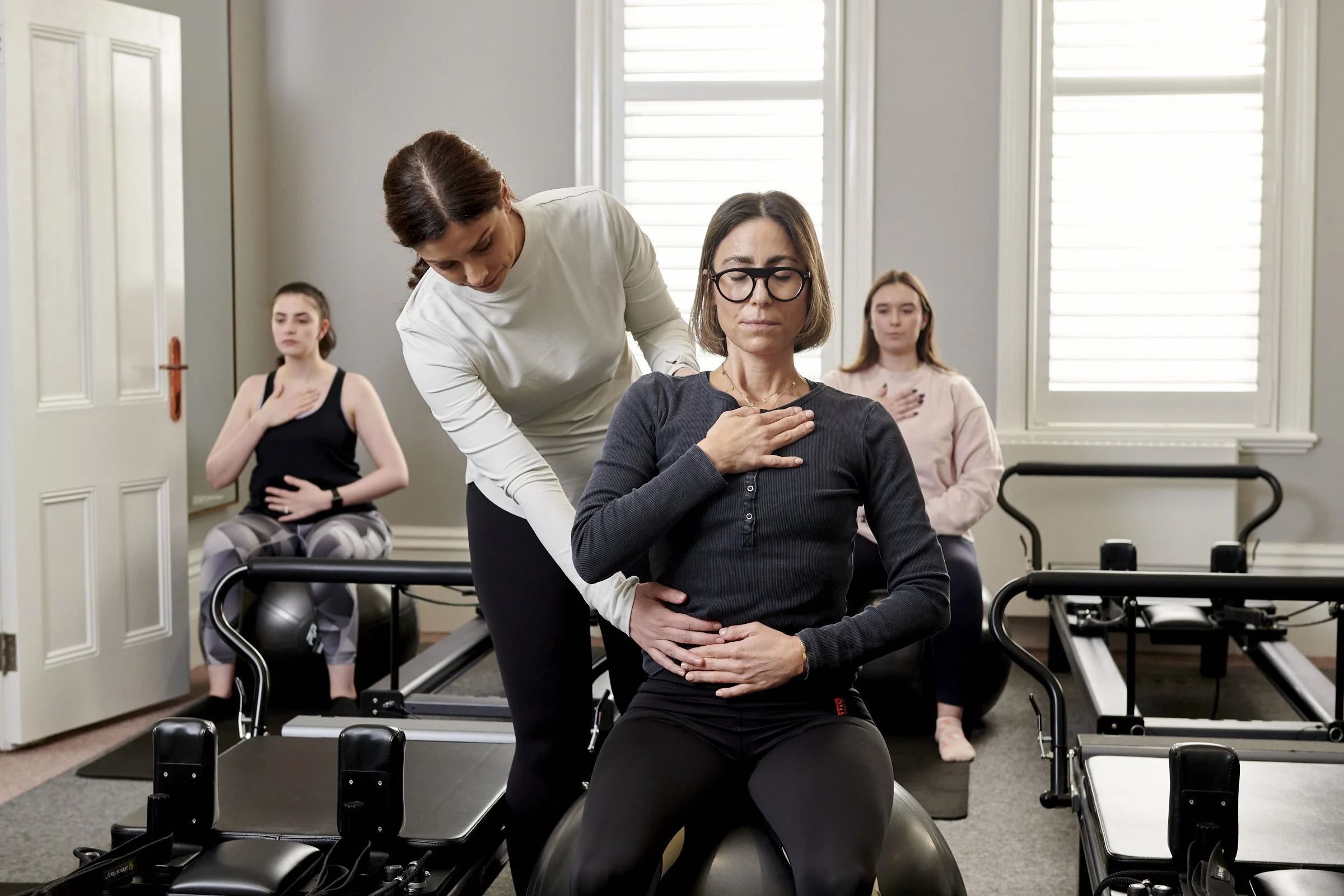
How can physiotherapy help during perimenopause?
At Embrace Physio + Pilates, we are here to support you through the menopause transition and help you navigate the many changes that can occur during this time.
It can be distressing to experience changes such as painful intimacy, bladder leakage, prolapse symptoms, reduced strength or changes in your ability to exercise. A pelvic health physiotherapist can help you understand these changes and develop an individualised plan to support your goals.
A thorough pelvic health physiotherapy assessment may include discussions about your:
menstrual and gynaecological history
pregnancy and birth history
bladder and bowel symptoms
pelvic floor and prolapse symptoms
sexual health
physical activity and exercise
general health and lifestyle.
This information helps us understand your individual needs and determine where treatment may be most beneficial.
Physiotherapy treatment may include:
an individualised strength training program to support muscle and bone health
pelvic floor training incorporating strengthening, relaxation and coordination
strategies to manage bladder and bowel symptoms
load management and exercise guidance
advice around returning to or progressing exercise
consideration of pessaries when appropriate
education and strategies to support sexual and pelvic health.
We also work collaboratively with your GP and other healthcare professionals. Where appropriate, we may recommend discussing additional treatment options such as menopausal hormone therapy, topical oestrogen or other medical management with your doctor. We can also work alongside other members of your healthcare team, including psychologists and dietitians, to ensure you receive comprehensive support.
You don't have to navigate perimenopause alone
Perimenopause is a significant period of change, but you don't have to navigate it alone.
Whether you are experiencing changes to your periods, bladder or bowel symptoms, pelvic organ prolapse, painful intimacy, changes in strength or simply want to understand how to exercise safely during this stage of life, a pelvic health physiotherapist can help.
At Embrace Physio + Pilates, we are here to support and guide you through every stage of your menopause journey.
Book an initial pelvic health physiotherapy appointment to discuss your symptoms and how we can support you.
Our next blog post will focus on postmenopausal health, including some of the changes that can occur after menopause and how physiotherapy can support you through the postmenopausal years. Keep your eyes peeled!