
Welcome to our 3 part blog series with Everform, showcasing the collaboration between pelvic health physiotherapy and compression wear in managing urinary incontinence! We hope you love this series as much as we’ve loved collaborating.
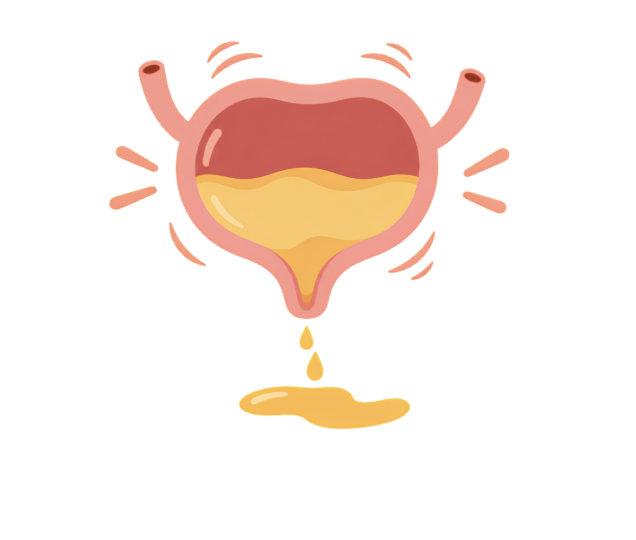
Urinary incontinence, or the involuntary leakage of urine, is common during pregnancy and after birth. However, urinary leakage is not something you simply need to put up with. Understanding why it occurs and how pelvic health physiotherapy can help is an important step towards managing your symptoms and improving your pelvic floor function.
Why Does Urinary Incontinence Occur During Pregnancy?
Urinary incontinence during pregnancy can develop due to a combination of hormonal changes and increased physical demands on your pelvic floor.
Your pelvic floor muscles and connective tissues help support your bladder, bowel and uterus. They also contribute to urinary continence by helping close the urethra and support the bladder neck.
As your baby, placenta and uterus grow, the increased pressure placed on your pelvic floor can affect how effectively these muscles and tissues support your pelvic organs and maintain bladder control. These changes can contribute to urinary leakage, particularly during activities that increase pressure through your abdomen.
Why Can Urinary Incontinence Continue After Birth?
Postpartum urinary incontinence may continue from pregnancy or develop for the first time after giving birth. The changes experienced by your pelvic floor will vary depending on several factors, including your birth experience and individual recovery.
After a vaginal birth
During a vaginal birth, your pelvic floor muscles stretch considerably to allow your baby to pass through the birth canal. Although these muscles are designed to stretch, they need time to recover and regain their strength, coordination and ability to support your pelvic organs.
Stretching and changes to the connective tissues surrounding the urethra and bladder neck can also affect the support needed to maintain urinary continence, potentially contributing to leakage after birth.
After a caesarean birth
Although a caesarean birth does not involve your baby passing through the vaginal canal, urinary incontinence can still occur during pregnancy and postpartum.
Some women experience increased pelvic floor muscle tension, which can affect their ability to relax, coordinate and contract effectively. Pelvic floor muscles need both strength and the ability to fully relax to function well. When muscle coordination is affected, maintaining bladder control may become more difficult.

What Are the Different Types of Urinary Incontinence?
Two common types of urinary incontinence experienced during pregnancy and postpartum are stress urinary incontinence and urge urinary incontinence.
Stress urinary incontinence occurs when urine leaks during activities that increase pressure through your abdomen. Common triggers include coughing, sneezing, laughing, running, lifting or jumping.
Urge urinary incontinence occurs when urine leaks alongside a sudden, strong urge to empty your bladder. You might notice this when you are rushing to the toilet or even when you are pulling your pants down to sit on the toilet.
Some women experience both types, which is known as mixed urinary incontinence.
How Can Pelvic Health Physiotherapy Help?
If you are experiencing urinary incontinence during pregnancy or after birth, a pelvic health physiotherapist can assess your symptoms and help identify the factors contributing to your leakage.
You do not have to accept urinary leakage as an inevitable part of pregnancy or motherhood. With the right support, there are effective treatment options available to help you manage your symptoms and feel more confident in your body.
Keep an eye out for our next blog, where we will explore treatment options for urinary incontinence during pregnancy and postpartum.
If you are experiencing bladder leakage, a pelvic health physiotherapist can help you understand your symptoms and determine the most appropriate next steps.