
Why see a pelvic health physiotherapist if you have endometriosis?
Endometriosis affects approximately 1 in 10 women and people assigned female at birth, making it one of the most common chronic gynaecological conditions. While many people associate endometriosis with heavy, painful periods, it can affect much more than the menstrual cycle.
Persistent pelvic pain, bladder and bowel symptoms, painful sex, low back pain, bloating, fatigue, and difficulty exercising are all common symptoms of endometriosis that can significantly impact quality of life.
Although medical treatment is an important part of managing endometriosis, pelvic health physiotherapy can also play a valuable role in reducing pain, improving function, and helping you return to the activities that matter most.
What Is Endometriosis?
Endometriosis is a chronic inflammatory condition where tissue similar to the lining of the uterus grows outside the uterus. These endometriosis lesions may develop on the ovaries, bladder, bowel, pelvic lining, or elsewhere within the abdominal cavity.
These lesions respond to hormonal changes throughout the menstrual cycle, increasing inflammation and contributing to symptoms such as:
Painful periods (dysmenorrhoea) or pelvic pain at other times through the menstrual cycle
Pain during or after sex
Pain with bowel motions
Pain when passing urine
Heavy menstrual bleeding
Bloating
Fatigue
Because endometriosis affects every person differently, treatment is often most effective when managed by a multidisciplinary team that may include your GP, gynaecologist, pelvic floor physiotherapist, dietitian, psychologist and other allied health clinicians.

How Does Endometriosis Affect the Pelvic Floor?
The pelvic floor is a group of muscles that supports your bladder, bowel, and reproductive organs. These muscles also help with bladder and bowel control, sexual function, breathing, and core stability.
When you're experiencing pain, your body naturally responds by tightening the muscles around the painful area to protect it. While this is helpful initially, repeated pain (monthly periods, cyclical patterns in pain) can cause the pelvic floor muscles to increase in tension.
Over time, this ongoing muscle tension may contribute to:
Persistent pelvic pain
Painful sex
Difficulty using tampons
Bladder urgency or frequency
Constipation or difficulty emptying the bowel
Lower back, hip, or abdominal pain
Physiotherapists can play a vital part in managing appropriate tension within your pelvic floor muscles.
How Can a Pelvic Health Physiotherapist Help with Endometriosis?
Assess and Treat Pelvic Floor Muscle Dysfunction
A pelvic health physiotherapist can assess how your pelvic floor muscles are functioning, including their strength, coordination, flexibility, and ability to relax.
Many people with endometriosis have increased tension within their pelvic floor muscles and it is vital to ensure you know what a full relaxation of the muscles should feel like. Identifying this helps guide the most appropriate treatment.
Your treatment plan may include:
Pelvic floor relaxation exercises
Gentle stretching
Breathing exercises
Internal pelvic floor muscle release (where appropriate and with your consent)
Education about pain and muscle tension
Home exercise programs

Treat the Whole Body, Not Just the Pelvis
Endometriosis doesn't just affect the pelvic floor.
Many people develop secondary muscle tightness in the lower back, hips, abdomen, glutes, or thighs because the body has been protecting itself from pain over many months or years.
Your physiotherapist may assess and treat areas including:
Lower back
Hips
Abdominal wall
Pelvic joints
Gluteal muscles
Thigh muscles
Vulval and vaginal tissues
Treatment techniques may include:
Soft tissue massage
Dry needling
TENS (Transcutaneous Electrical Nerve Stimulation)
Heat or cold therapy
Cupping
Movement retraining
Mindfulness and relaxation strategies
By addressing both the pelvic floor and surrounding muscles, many people experience improvements in pain, movement, and daily function.
Learn How Persistent Pain Works
Living with chronic pelvic pain can be frustrating and exhausting.
Research shows that understanding how pain works can reduce fear, improve confidence, and help people better manage persistent pain.
Your pelvic health physiotherapist can explain how your nervous system, muscles, and movement patterns may be contributing to your symptoms and provide practical strategies to reduce flare-ups and improve your quality of life.
Improve Bladder and Bowel Symptoms
Because endometriosis commonly affects organs within the pelvis, bladder and bowel symptoms are also common.
You may experience a variety of bladder and bowel symptoms including constipation and straining, urinary urgency, bloating or pain.
A pelvic floor physiotherapist can assess these symptoms and recommend strategies such as toilet positioning, muscle coordination and routine habits.
Improving bladder and bowel function often helps reduce overall pelvic pain.
Return to Exercise with Confidence
Exercise is one of the most effective ways to support long-term health and persistent pain management, but many people with endometriosis worry that exercise will make their symptoms worse.
A pelvic health physiotherapist can help you find an exercise program that suits your body and adapts to your symptoms.
This may include:
Home exercise programs
Gym modifications during flare-ups
Strength training
Pilates
Graded return to activity
Movement strategies to reduce pain
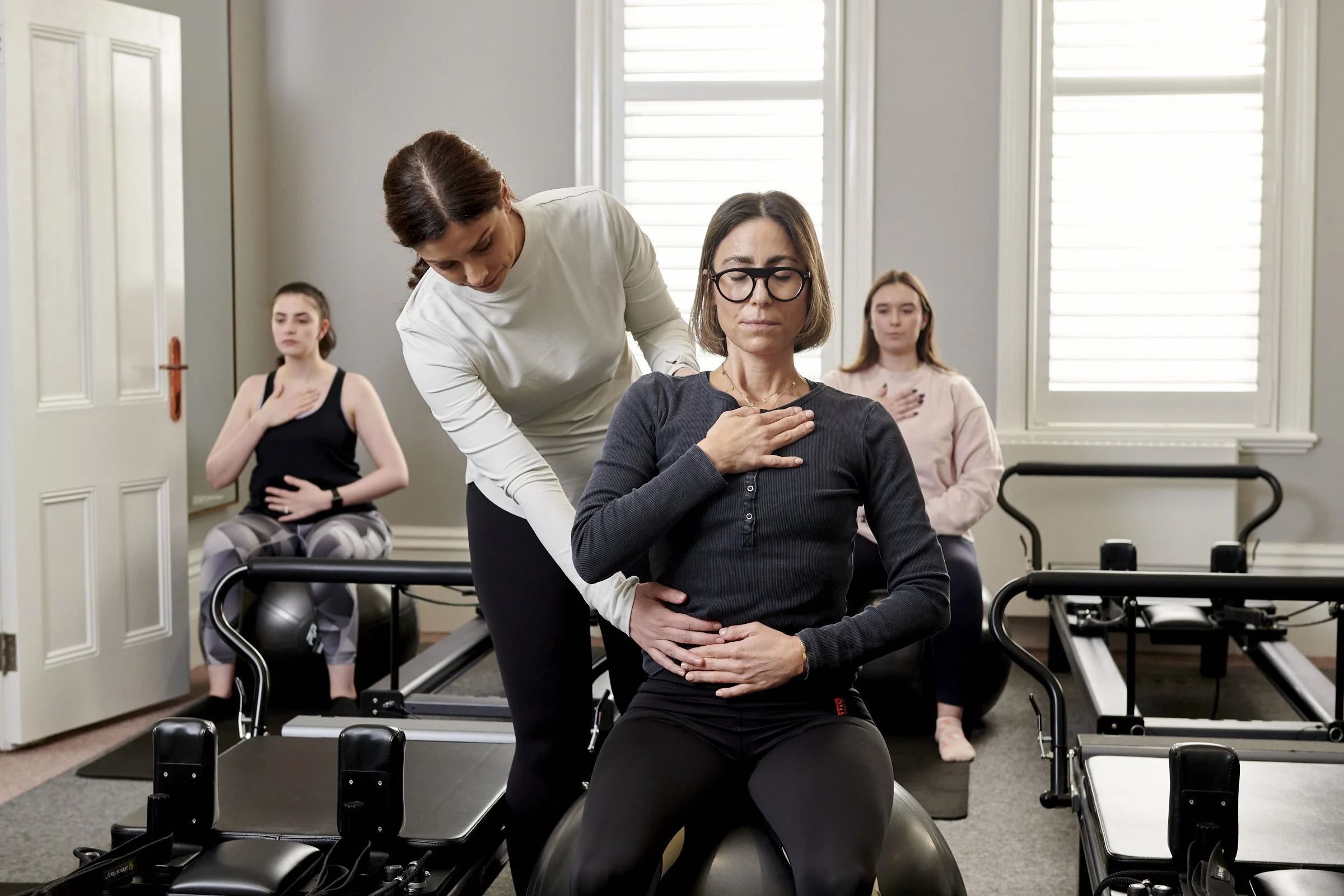
At Embrace, our Pelvic Pain Pilates classes are specifically designed for people living with pelvic pain and endometriosis. Every exercise can be modified depending on how you're feeling that day, helping you move safely while building strength and confidence.
Work Alongside Your Endometriosis Care Team
Endometriosis is best managed with a team approach.
Your pelvic health physiotherapist can work closely with your GP, gynaecologist, pain specialist, psychologist, and dietitian to ensure your treatment is coordinated and aligned with your goals.
Physiotherapy is also essential before and after laparoscopic surgery.
When Should You See a Pelvic Health Physiotherapist for Endometriosis?
You may benefit from seeing a pelvic health physiotherapist if you experience:
Painful periods
Persistent pelvic pain
Pain during or after sex
Bladder urgency or frequency
Constipation or painful bowel motions
Pain with exercise
Lower back or hip pain related to your menstrual cycle
Ongoing pain despite medical treatment
Recovery after endometriosis surgery
The earlier treatment begins, the sooner you can start learning strategies to manage symptoms and improve your quality of life.
Pelvic Health Physiotherapy for Endometriosis at Embrace
Living with endometriosis can be physically and emotionally challenging, but you don't have to manage it alone.
At Embrace, our pelvic health physiotherapists take a whole-person approach to endometriosis care. We work with you to understand your symptoms, assess your pelvic floor and movement, and develop an individualised treatment plan that supports your goals.
Whether you've been newly diagnosed, preparing for surgery, recovering after surgery, or living with persistent pelvic pain, we're here to help you move with more confidence and less pain.
Book an appointment here with any of our physiotherapists to experience how pelvic health physiotherapy can support your endometriosis management.
Author: Courtney Essex