
Is Abdominal Exercise Safe During Pregnancy?
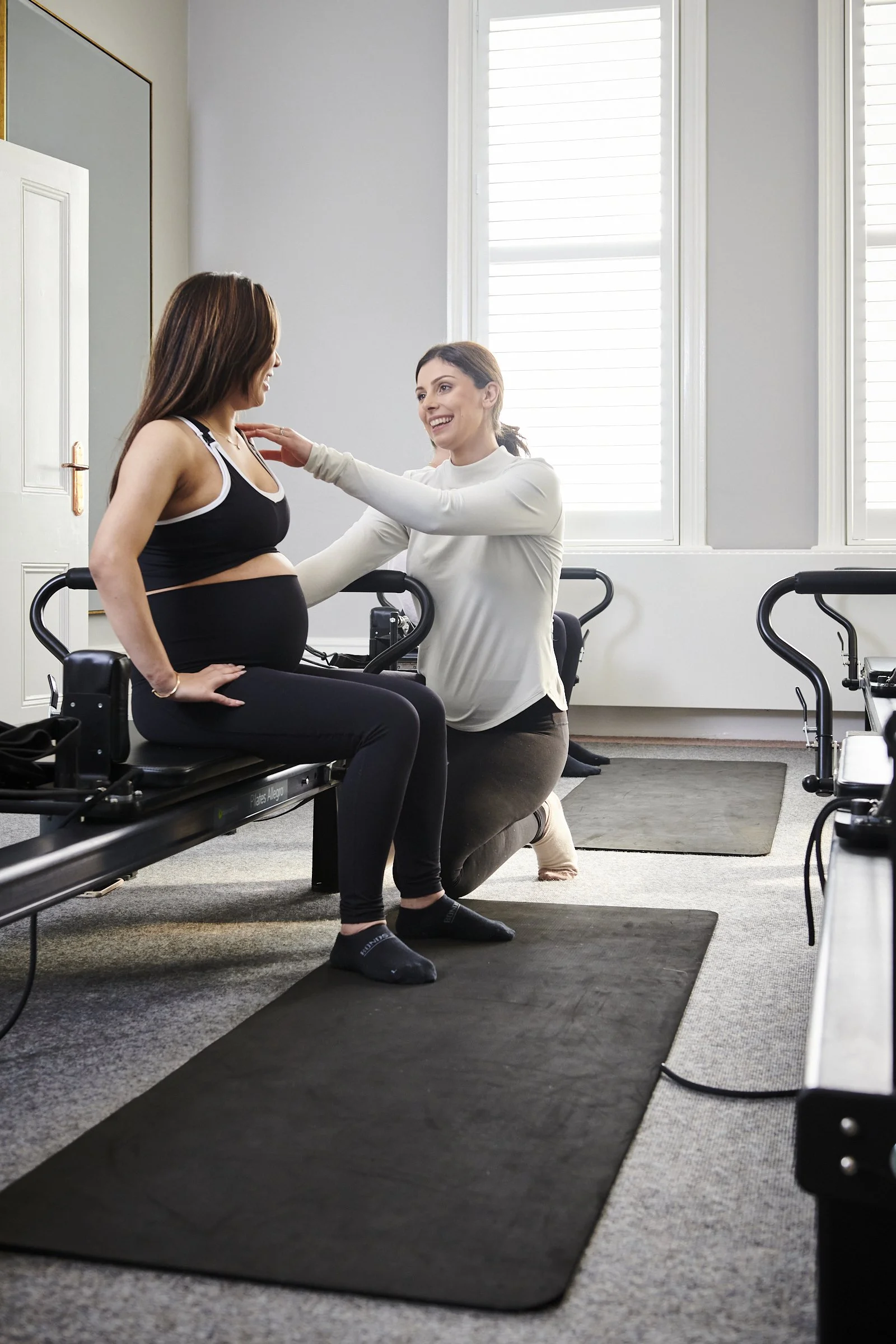
Pregnancy is a time when many women become more aware of their body, movement, and overall health. A common question in pelvic health physiotherapy is:
Is it safe to do abdominal exercises during pregnancy?
The short answer is yes, abdominal exercise during pregnancy can be safe and beneficial. However, it depends on the type of exercise, how it is performed, and how your body responds.
Understanding Your Core During Pregnancy
Your core is more than just your abdominal muscles. It is a system that includes:
The diaphragm
The abdominal muscles, including the deep stabilisers such as the transversus abdominis
The pelvic floor muscles
The back muscles
During pregnancy, this system changes significantly:
The abdominal wall stretches to accommodate your growing baby
Hormonal changes increase tissue laxity
The pelvic floor carries increasing load
Because of these changes, how your core functions becomes more important than how hard you train it.
Are Abdominal Exercises Safe in Pregnancy?
When guided appropriately, abdominal exercises during pregnancy can support both your body and your baby.
Benefits of safe core exercise include:
Supporting the growing uterus
Reducing back pain and pelvic pain
Maintaining strength for daily activities
Preparing for labour and postpartum recovery
Not all abdominal exercises are suitable during pregnancy, so choosing the right type is essential.
Abdominal Exercises to Avoid During Pregnancy
Some exercises can place too much strain on the abdominal wall and pelvic floor, especially in the second and third trimesters.
Be cautious with:
Traditional crunches or sit ups
Double leg lifts
Planks if proper form cannot be maintained
Any exercise that causes abdominal doming or coning
Abdominal doming occurs when the midline of your abdomen bulges outward during effort. This can indicate poor pressure management and increased strain on the abdominal wall.
Safe Core Exercises During Pregnancy
In pelvic health physiotherapy, the focus shifts from isolated abdominal workouts to improving core function and coordination.
Recommended exercises include:
Breathwork with core connection
Coordinating the diaphragm, pelvic floor, and deep abdominal musclesGentle activation of the transversus abdominis
Modified side lying or seated core exercises
Functional strength movements
Examples include squats, supported lunges, and sit to stand
These exercises help build strength while keeping intra abdominal pressure well managed.
Key Principles for Safe Exercise in Pregnancy
1. Focus on Pressure Management
Avoid breath holding or straining.
A helpful cue is to exhale during effort.
2. Listen to Your Body
Stop or modify exercise if you experience:
Abdominal doming
Pelvic heaviness or pressure
Urinary leakage
Pain in the pelvis, abdomen, or lower back
These symptoms may indicate that the load is too high for your system.
3. Adapt as Your Pregnancy Progresses
Your body changes throughout each trimester. Exercises that feel comfortable early in pregnancy may need to be modified later.
4. Individualised Exercise Matters
Every pregnancy is different. Your exercise plan should consider:
Previous pregnancies
Pelvic pain or discomfort
Diastasis recti
Your exercise history
What is Diastasis Recti?
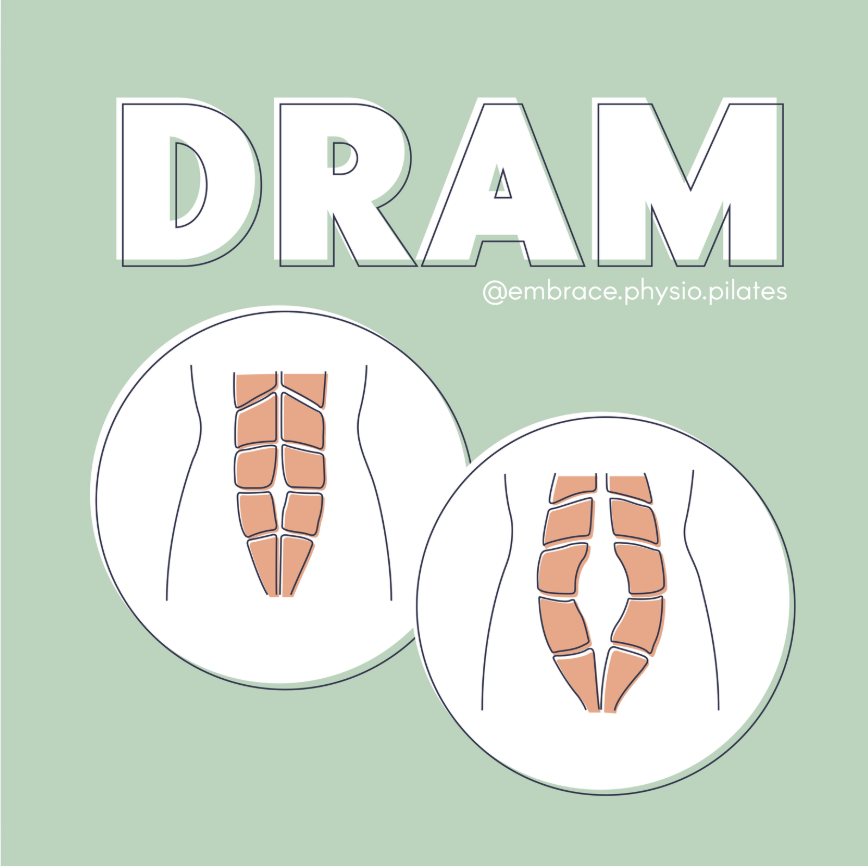
Diastasis recti, or abdominal separation, is a normal part of pregnancy.
Exercise does not cause diastasis recti. However, poor pressure management can place extra strain on the abdominal wall.
The goal is not to avoid exercise, but to focus on:
Good technique
Appropriate exercise selection
Avoiding excessive strain
How a Pelvic Health Physiotherapist Can Help
Working with a pelvic health physiotherapist during pregnancy can help you:
Assess your abdominal and pelvic floor function
Learn safe core and pelvic floor exercises
Modify your current fitness routine
Reduce the risk of incontinence, prolapse, and ongoing abdominal separation
This approach supports your body through pregnancy and prepares you for birth and postpartum recovery.
The Bottom Line
Abdominal exercise during pregnancy is safe and often beneficial when done correctly.
The key is to ensure your exercise is:
Tailored to your body
Focused on function
Guided by proper technique
At Embrace Physio + Pilates, we are here to guide you on your journey through pregnancy. You can book here for an initial pregnancy appointment and here for a clinical pilates class.
Author: Divya Koujalgi