
Healthy Bowel Habits and Bowel Cancer Awareness
Why Bowel Health Matters for Your Pelvic Floor
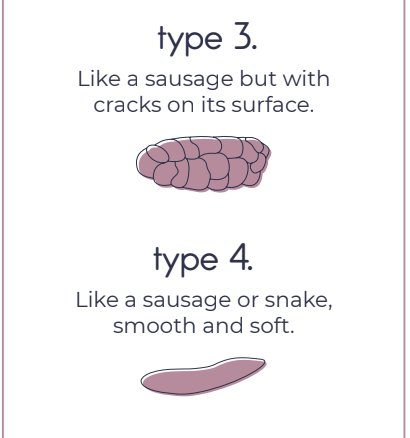
Healthy bowel habits play an important role in digestive health, pelvic floor function, and overall wellbeing. While bowel patterns vary between individuals, healthy bowel motions are generally regular, easy to pass, and do not require excessive straining. A normal frequency ranges from every three days to three times a day, and opening your bowels should never be painful. A healthy poo might look like the image below!
Chronic constipation and straining place increased pressure on the pelvic floor and may contribute to haemorrhoids, pelvic floor dysfunction, and pelvic organ prolapse. If you are experiencing persistent difficulties with your bowels, a pelvic health physiotherapist can help.
How to Support Healthy Bowel Habits
There are several practical ways to support your bowel health day to day.
Eating adequate fibre, ensuring a combination of soluble and insoluble sources, helps to form and pass stools comfortably
Staying well hydrated is equally important; dehydration can cause stools to become hard, small, and difficult to pass
Regular movement also supports bowel regularity, as physical activity helps keep the digestive system functioning well
Responding to the urge to open your bowels when it arises, rather than delaying reduces the difficulty in emptying
The position you sit in on the toilet is also incredibly important! A stool under your feet, leaning forwards and taking big, deep belly breaths can help make it easier to pass stool
Often our bowels are most active in the morning so trying all of the tips above when you wake up can help create a regular routine
Bowel Cancer Warning Signs to Know
Bowel cancer is one of the most common cancers in Australia, and early detection significantly improves outcomes. Many symptoms have benign causes, but persistent changes should always be investigated by your GP.
Warning signs to be aware of include:
Blood in the stool or rectal bleeding
Persistent constipation or diarrhoea
Changes in bowel habits or stool shape
Ongoing bloating or abdominal discomfort
Unexplained weight loss
Fatigue or low iron levels
A sensation of incomplete bowel emptying
A family history of bowel cancer
Importantly, bowel cancer can occur in younger adults too. Ongoing symptoms should never be dismissed or delayed, and early detection leads to significantly better outcomes.
Free Bowel Cancer Screening for Australians Aged 45 and Over
The Australian Government's National Bowel Cancer Screening Program offers free at-home bowel screening kits for eligible Australians aged 45 to 74. The test is simple, quick, and checks for trace amounts of blood in the stool that may not be visible to the naked eye. Screening kits are posted directly to your home. Even if you feel well and have no symptoms, regular screening is important because early bowel cancer may not cause noticeable signs.
How Embrace Physio + Pilates Supports Your Bowel and Pelvic Health
So often, indiviudals arrive at Embrace concerned around their bladder or prolapse symptoms, and are very surprised when we note that their bowels may be contributing to their symptoms. At Embrace Physio + Pilates, we are passionate about preventative care, pelvic health awareness, and early intervention for long-term wellbeing. Our pelvic health physiotherapists take a thorough history at every appointment and will refer you to your GP or broader care team if we identify any concerns. Bowel health and pelvic floor function are deeply connected, and we are here to support you through all of it.
If you have questions about your bowel health or pelvic floor, we would love to hear from you. You can book an appointment here for our Armadale, Prahran, or Caulfield South clinics.
Author: Daphné Auclair