
Why Pelvic Floor Relaxation Matters During Labour
When preparing for birth, most people focus on strengthening the body — but relaxing the pelvic floor is just as important. Your pelvic floor is a group of muscles that support the bladder, uterus, and bowel. During labour, these muscles need to stretch, soften, and release to allow your baby to move through the birth canal safely. As a pelvic health physiotherapy clinic, we often see women who are surprised to learn that their pelvic floor needs to relax, not tighten, during the crucial second stage of labour.
The Role of the Pelvic Floor During Labour
In birth, the pelvic floor acts like a supportive hammock that must drop and open to let your baby descend. If these muscles can’t relax effectively, the body works harder than necessary.
An overactive or tight pelvic floor can:
Make the pushing phase longer or ineffective
Increase pain or discomfort
Create more resistance for your baby
Increase the likelihood of perineal trauma or an instrumental delivery
Learning how to release pelvic floor tension early in pregnancy can make a significant difference to your labour experience, BUT it is important to know that even if your pelvic floor muscle function is optimised you can still experience a complicated delivery as there are many nuanced factors involved in the delivery of a baby vaginally.
How Pelvic Floor Physiotherapy Helps With Labour Preparation
It’s very common to tense your pelvic floor during contractions — especially when you are in pain, anxious, or unsure how to coordinate your breathing and pushing. This tension can slow progress and make pushing less effective. A pelvic floor physiotherapist helps you become aware of these patterns before you are in labour so you can change and help you build strategies to effectively manage pain. Working with a women’s health physio can prepare your body for birth by teaching you how to relax and lengthen your pelvic floor.
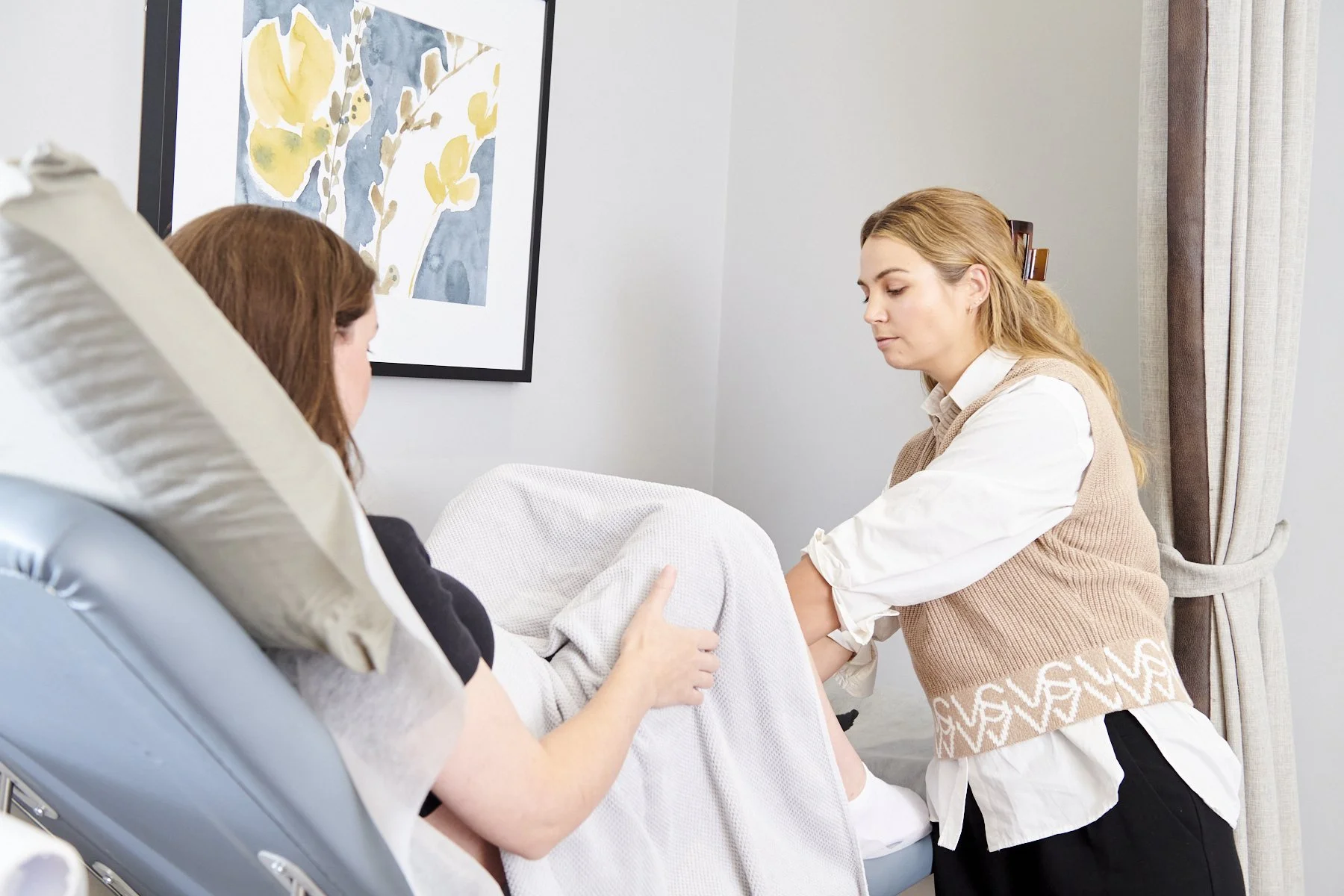
This may include:
Breathing techniques that calm the nervous system
Visualisation strategies to encourage softening of the pelvic outlet
Perineal stretching and mobility exercises
Perineal preparation such as perineal massage and the epi- no machine
Pushing practice and education on positions for labour and birth that naturally promote pelvic floor relaxation
By practising these tools during pregnancy, you build confidence and learn how to respond to your body during labour, alongside the expert guidance from the medical team. Plus, working on this awareness and control before birth enhances your postpartum recovery- regardless of what happens during delivery- by improving the function of these muscles and your lifestyle habits.
To book in to see on of our expert pelvic health physiotherapists you can click here, we offer initial pregnancy and birth preparation appointments for our prenatal clients. It is never to late to see us!
Author: Jessica Adams, 2025